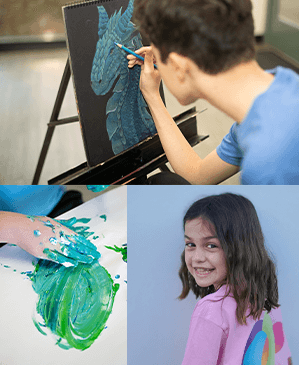

Learning how to use light and shadow is an important step in drawing, helping artists create depth and make their drawings come to life.
At first, your drawing may look a little flat, and that’s completely normal. The goal is to turn that flat shape into a drawing that feels three-dimensional by understanding how light affects form.
Start by imagining a light shining on your subject.
Decide where that light source is coming from, whether it’s above, from the side, or slightly in front. The side of the drawing facing the light will appear brighter, while the opposite side will naturally be darker. By adding a lighter color to the light side and a darker color to the shadow side, your drawing immediately gains depth and begins to look more realistic.
As you continue, take time to observe the features. Look closely and notice if any part sticks out.
Using Shadows and Highlights to Bring Your Drawing to Life
Now, focus on finishing touches to bring the drawing to life
Deepen the darkest shadow areas and add bright highlights where the light hits the strongest. The contrast between light and dark is what truly makes your shapes pop off the page. Small adjustments at this stage can have a big impact on the overall look of your drawing.
Before calling your drawing finished, step back and take a moment to look at it with fresh eyes.
Artists grow by observing their work just as much as creating it. When you see how the light, shadows, and highlights work together, you’ll notice how your drawing has transformed into a lively and dimensional drawing.
Drawing with light and shadow is not just about following steps; it’s about learning how to see.
With practice, patience, and observation, your drawing will go from simple to striking.
But it’s about more than technique. Fine art fosters patience, observation, critical thinking, and storytelling. Whether they dream of becoming professional artists, animators, designers, or simply want a creative outlet, fine art training sets the foundation for long-term success.